Author: zarkend

  • Understanding Secondary Sanctions Implications and Strategies 949018468

    Understanding Secondary Sanctions: Implications and Strategies

    In the complex world of international relations and finance, Secondary Sanctions have emerged as a pivotal tool used by countries to exert economic pressure. Understanding secondary sanctions is essential for businesses operating on a global scale, as these measures can impact not only direct participants but also third parties engaged in commerce with sanctioned entities.

    What Are Secondary Sanctions?

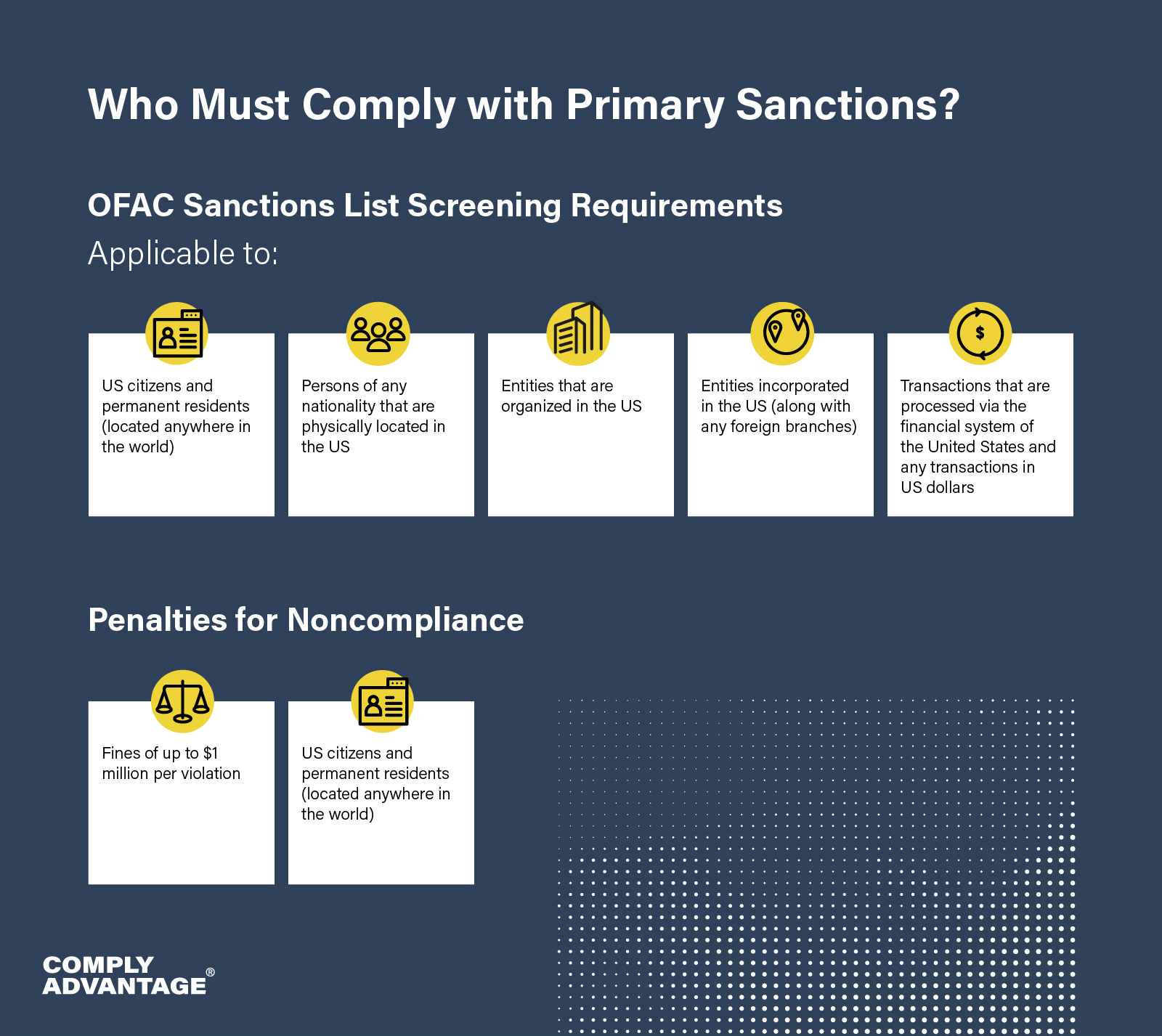
    Secondary sanctions refer to punitive measures imposed by a country on foreign entities that engage in business with sanctioned individuals or countries. Unlike primary sanctions, which directly target the sanctioned state or companies within it, secondary sanctions extend the reach of the imposing nation. This means that businesses in countries not party to the original sanctions can also face repercussions if they do business with the targets of those sanctions.

    The Origins and Purpose of Secondary Sanctions

    The use of secondary sanctions has grown significantly in the last couple of decades. Initially, these measures were introduced primarily by the United States as part of its foreign policy, aimed at deterring hostile actions by certain governments. The rationale behind secondary sanctions is to isolate the targeted country further and compel compliance with international norms and agreements.

    For instance, the United States has enacted secondary sanctions against countries such as Iran and North Korea to discourage foreign investment in their economies and limit the flow of funds supporting such regimes. By threatening to penalize third-party entities doing business with those countries, the U.S. aims to curtail their economic activities and bring about policy changes.

    Key Examples of Secondary Sanctions in Action

    A notable example of secondary sanctions in action is the U.S. sanctions against Iran, particularly following the U.S. withdrawal from the Joint Comprehensive Plan of Action (JCPOA) in 2018. Under these sanctions, companies around the world could face restrictions if they continued to engage in trade with Iranian entities. This led many businesses to reevaluate their relationships and, in many cases, discontinue operations involving Iranian partners.

    Similarly, the U.S. has implemented secondary sanctions targeting individuals and entities in Russia due to its actions in Ukraine and election interference. These sanctions have repercussions for foreign companies that might consider investing in or trading with designated Russian entities, thereby enhancing the U.S.’s leverage in international negotiations.

    The Implications of Secondary Sanctions on Global Business

    The implications of secondary sanctions are profound and multifaceted. For businesses, the primary challenge lies in maintaining compliance while continuing to operate in a global marketplace. Failure to adhere to these sanctions can lead to significant financial penalties and reputational damage.

    Moreover, secondary sanctions often lead to increased transparency requirements within international trade. Companies must conduct thorough due diligence to ensure that their supply chains do not inadvertently involve sanctioned parties. This can lead to elevated operational costs and necessitate the employment of sophisticated compliance mechanisms.

    Strategies for Navigating Secondary Sanctions

    To minimize the impact of secondary sanctions, businesses should adopt proactive compliance strategies. Here are some key steps to consider:

    • Conduct Comprehensive Risk Assessments: Analyze your business operations and identify potential exposure to secondary sanctions. Assess which markets or partners could pose risks and develop a plan to mitigate them.
    • Implement Robust Compliance Programs: Establish a compliance framework that includes regular training for employees, as well as clear policies regarding dealings with sanctioned entities.
    • Utilize Technology: Employ technology solutions that can help track changes in sanctions lists and provide real-time monitoring of transactions to ensure compliance.
    • Consult Expert Advisors: Engaging with legal experts specialized in sanctions law can provide valuable insights and help navigate complex compliance landscapes.

    The Future of Secondary Sanctions

    As geopolitical dynamics continue to evolve, the reliance on secondary sanctions is likely to persist. Governments may increasingly turn to these measures as a method of exerting influence without resorting to military action. Therefore, businesses operating internationally must stay informed about changes in sanctions regulations and adapt their strategies accordingly.

    Furthermore, the global response to secondary sanctions may encourage more multilateral approaches to sanctions enforcement. As countries increasingly recognize the intricacies of the global supply chain, there may be a shift towards collaborative efforts in managing sanctions compliance to mitigate unintended consequences on legitimate trade.
    Conclusion

    In conclusion, secondary sanctions represent a powerful instrument in the arsenal of international diplomacy and economic policy. However, they also present significant challenges for global businesses navigating the complex regulatory landscape. By understanding the implications of secondary sanctions and implementing effective compliance strategies, companies can protect themselves from potential risks while continuing to engage in international trade.

  • Sao Tome Citizenship for Families A Pathway to a Brighter Future

    Sao Tome Citizenship for Families: A Pathway to a Brighter Future

    In recent years, the allure of obtaining citizenship by investment has captivated many families across the globe. One of the most appealing options available today is the Sao Tome Citizenship for Families program. This initiative by the government of São Tomé and Príncipe offers families a unique opportunity to gain citizenship while enjoying the benefits of a beautiful tropical island nation. In this article, we will explore the ins and outs of this citizenship program, its advantages, and the steps to obtain it.

    The Island Paradise of São Tomé and Príncipe

    Located just off the western coast of Africa, São Tomé and Príncipe is a small island nation known for its stunning landscapes, rich biodiversity, and vibrant culture. The archipelago appeals to families seeking a peaceful environment, a moderate climate, and a unique lifestyle that combines African and Portuguese influences. Living in such a paradise not only enhances the quality of life but also provides educational opportunities for children in an international setting.

    Benefits of Sao Tome Citizenship for Families

    1. Educational Opportunities: Families who obtain citizenship in São Tomé and Príncipe can access a range of educational options. The nation is home to several reputable schools and universities that provide quality education. Moreover, being part of a multicultural environment allows children to develop broad perspectives and cross-cultural skills.

    2. Access to International Markets: Sao Tome citizenship grants families easier access to various international markets. Citizens have the advantage of trade agreements with multiple countries, facilitating smoother business operations whether one is looking to invest or expand existing businesses.

    3. Residency Options: Sao Tome citizenship allows families to live and work in a peaceful and welcoming environment. With a relatively low cost of living, families can enjoy a comfortable lifestyle while being part of a beautiful, natural setting.

    4. Travel Benefits: As a citizen of São Tomé and Príncipe, families can travel visa-free or with minimal visa requirements to over 30 countries. This includes significant destinations in Europe, Africa, and the Caribbean, making it easier for families to explore the world.

    Investment Requirements for Sao Tome Citizenship

    The government of São Tomé and Príncipe has laid out specific investment parameters that individuals and families must adhere to when applying for citizenship. Generally, applicants can obtain citizenship either through a donation or a real estate investment. Here are the current options:

    1. Donation Option: The most straightforward pathway is making a non-refundable donation to the government. The minimum amount required is usually around $150,000 for a family application, which can be subject to changes based on government policies.

    2. Real Estate Investment: An alternative route involves invest

    ing in government-approved real estate projects. The minimum investment threshold generally starts at about $200,000. This option appeals not only for citizenship but also for potential returns on investment.

    Application Process

    Applying for Sao Tome citizenship is a relatively straightforward process, but it does require careful preparation and documentation. Here’s a step-by-step guide to navigating the application process:

    1. Initial Consultation: Engage with a specialized consultant or legal expert familiar with the Sao Tome citizenship process. They can guide you through the requirements and options available.

    2. Gather Necessary Documentation: Collect all required documents, including valid passports, birth certificates, marriage certificates (if applicable), and proof of the investment funds.

    3. Submit Application: Once all documents are prepared, submit your application alongside the required fees. The review process usually takes several months, during which the government will evaluate your application.

    4. Approval and Payment: Upon approval, applicants must fulfill the financial obligations associated with their chosen investment route. After the payment is made, citizenship certificates will be issued.

    Getting Settled in São Tomé and Príncipe

    Once citizenship is obtained, families can relocate to São Tomé and Príncipe. The process can be exciting yet daunting; therefore, proper planning is essential. Here are some tips for settling down smoothly:

    1. Housing: Research potential neighborhoods that fit your family’s needs. Whether you prefer the hustle of the capital city or a quieter area, you will find diverse options.

    2. Integrating into the Community: Embrace the local culture by learning the language and traditions. Engaging in community activities and events is a fantastic way for families to settle in and make new friends.

    3. Establishing a Business: If you are an entrepreneur, look into the local market for business opportunities. Understanding the economic landscape will be crucial for success.

    Conclusion

    In conclusion, acquiring citizenship in São Tomé and Príncipe offers families a unique blend of lifestyle, educational opportunities, and business prospects. The Sao Tome Citizenship for Families program is designed to accommodate families looking for a new beginning in a stunning tropical paradise. With careful planning and the right guidance, the journey to becoming a citizen can be a rewarding experience that transforms not just individual lives, but entire family legacies.

  • Understanding the Vanuatu Citizenship Application Process 949273875

    Understanding the Vanuatu Citizenship Application Process

    Vanuatu, a stunning archipelago situated in the South Pacific Ocean, is not only known for its beautiful landscapes and rich cultural heritage, but also for its advantageous citizenship program. Many individuals from around the globe seek to acquire Vanuatu citizenship for a variety of reasons, including economic opportunities, travel freedom, and lifestyle enhancement. If you’re interested in exploring the Vanuatu Citizenship Application Process, this guide will provide you with detailed insights into the steps, requirements, and benefits of obtaining citizenship in this tropical paradise.

    Overview of Vanuatu Citizenship

    Vanuatu offers its citizenship through various pathways, primarily the Vanuatu Development Support Program (DSP). This program allows foreign nationals to obtain citizenship by making a financial contribution to the country’s development initiatives. Notably, Vanuatu citizenship is appealing because it allows visa-free travel to over 130 countries, including the United Kingdom, the Schengen Area, and many Asian countries.

    Benefits of Vanuatu Citizenship

    Obtaining Vanuatu citizenship offers several advantages:

    • Visa-Free Travel: Vanuatu citizens can travel without a visa or obtain a visa on arrival in several countries worldwide.
    • Tax Incentives: Vanuatu is known for its favorable tax regime, including no capital gains or inheritance taxes.
    • Global Mobility: Citizenship can enhance your global mobility and provide access to various international business opportunities.
    • Security and Stability: Vanuatu is politically stable, providing a safe environment for its citizens.

    Eligibility Criteria

    To apply for Vanuatu citizenship, applicants must meet specific eligibility criteria, including:

    • Minimum age of 18 years.
    • A clean criminal record.
    • Proof of financial capability to make the required investment.
    • Health screening and a medical certificate.

    The Application Process

    The application process for Vanuatu citizenship typically involves the following steps:

    1. Engage a Licensed Agent: It is mandatory to work with a licensed agent approved by the Vanuatu government to assist with your application.
    2. Initial Consultation: During the consultation, the agent will guide you through the application process and help gather necessary documentation.
    3. Prepare Documentation: Compile all required documents, including identity documents, financial statements, and medical certificates.
    4. Submit Application: Your licensed agent will submit your application to the Vanuatu government, along with the required fees.
    5. Application Review: The government will analyze your application, during which time they may request additional information or documents.
    6. Approval and Investment: Once approved, you must make the requisite financial contribution to the country’s development fund.
    7. Receive Citizenship Certificate: Upon making the investment, you will receive your Vanuatu citizenship certificate, officially confirming your new status.

    Required Documents

    When applying for Vanuatu citizenship, you will need to provide various documents, including:

    • Passport copies of all applicants.
    • Birth certificates.
    • Marriage certificates (if applicable).
    • Police clearance certificate.
    • Bank statements and proof of income.
    • Medical examination records.

    Costs and Fees

    The financial commitment for Vanuatu citizenship can vary significantly depending on several factors. The main costs involved include:

    • Government processing fees.
    • Contribution to the Development Support Program, which starts at around USD 130,000 for a single applicant but can increase based on the number of dependents.
    • Fees charged by the licensed agent who assists you throughout the application process.

    Processing Timeline

    The processing timeline for the Vanuatu citizenship application can vary based on several factors, including the complexity of your application and the efficiency of the agent. However, most applications are processed within 2-3 months from submission.

    Post-Citizenship Rights and Obligations

    Once you have obtained your Vanuatu citizenship, you are entitled to the rights and privileges of being a citizen, including access to education, health care, and the ability to participate in business. However, it’s essential to stay informed about the responsibilities that come with citizenship, such as complying with local laws and regulations.

    Conclusion

    Acquiring Vanuatu citizenship can be a straightforward process, particularly with the guidance of a licensed agent. The benefits it offers, from visa-free travel to favorable tax regimes, make it a worthwhile consideration for those seeking greater mobility and security in today’s global landscape. If you’re considering this opportunity, start your journey today and explore the possibilities that Vanuatu citizenship can afford.

    Final Thoughts

    The process of obtaining Vanuatu citizenship might seem daunting at first, but with the right information and support, it can be a smooth and enriching experience. Embrace the warmth of Vanuatu’s culture, the beauty of its landscapes, and the opportunities that come with being a citizen of this remarkable nation.

  • Nauru Citizenship for Families Unlocking New Opportunities

    Nauru Citizenship for Families

    Obtaining Nauru Citizenship for Families can be a transformative experience for families seeking new opportunities and a unique lifestyle. Nauru, a small island nation in the Pacific Ocean, offers a range of benefits for families considering migration. In this article, we will explore the key advantages of obtaining Nauru citizenship, the process for families, and what life is like on this beautiful island.

    The Benefits of Nauru Citizenship for Families

    Choosing to acquire citizenship in Nauru comes with numerous benefits that can significantly impact families:

    • Strong Community Bonds: Nauru has a close-knit community where families can thrive in a supportive environment.
    • Tax Incentives: Nauru provides a tax-friendly environment, which can lead to significant financial savings for families.
    • Educational Opportunities: Families benefit from a range of educational options, including access to international schools.
    • Healthcare Services: Nauru’s healthcare services offer quality care, making it easier for families to access medical assistance.
    • Beautiful Environment: The stunning natural beauty of Nauru provides families with a picturesque place to raise children, with beaches, lagoons, and a warm climate.

    Understanding the Nauru Citizenship Process for Families

    Acquiring Nauru citizenship for families typically involves a series of steps:

    1. Application Submission: Families need to submit a citizenship application that includes personal information, family details, and reasons for wanting to live in Nauru.
    2. Document Verification: The authorities will verify all submitted documents to ensure authenticity.
    3. Residency Requirement: Families may need to fulfill a residency requirement, living in Nauru for a specified duration.
    4. Approval Process: The approval process can take several months, during which authorities may conduct background checks.
    5. Ceremony and Citizenship Certificate: Once approved, families will participate in a citizenship ceremony and receive their certificates, officially making them citizens of Nauru.

    Eligibility Criteria for Families

    Understanding the eligibility criteria for families applying for citizenship is crucial:

    • Family Composition: Both parents and dependent children can apply together, including adopted children.
    • Financial Stability: Families must demonstrate financial stability to support themselves while living in Nauru.
    • Good Character Requirement: Applicants must have a clean criminal record and be of good character.
    • Health Check: A health check may be required to ensure all family members are in good health.

    Cost of Nauru Citizenship for Families

    While the costs associated with citizenship can vary, families should be prepared for:

    • Application Fees: There are fees associated with submitting the citizenship application.
    • Legal Fees: Engaging a legal professional to assist with the process may incur additional costs.
    • Living Expenses: Families must budget for accommodation, food, healthcare, and education while transitioning to life in Nauru.

    Life in Nauru: A Family Perspective

    Life in Nauru presents families with a distinctive lifestyle:

    • Outdoor Activities: Families can enjoy outdoor activities such as swimming, fishing, and hiking.
    • Cultural Richness: Families will experience the island’s cultural heritage and participate in local festivities.
    • Safe Environment: Nauru boasts a low crime rate, creating a safe environment for families.
    • Work Opportunities: Although job opportunities are limited, families can explore various sectors, such as education and tourism.

    Conclusion

    In summary, obtaining Nauru citizenship for families is a significant decision that can lead to enriching opportunities and experiences. With its unique charm, financial benefits, and supportive community, families can thrive in this beautiful environment. While the application process may seem complex, with the right guidance and preparation, families can navigate it effectively. If you’re considering Nauru as your new home, take the time to research thoroughly and connect with professionals who can assist you.

  • Sao Tome Passport Your Gateway to Global Opportunities

    The Sao Tome Passport for Global Mobility Sao Tome Passport offers a unique opportunity for individuals seeking to expand their global presence. This passport not only provides the basic function of identification and travel but also acts as a key to unlocking a plethora of international opportunities. In this article, we will delve into the various advantages of obtaining a Sao Tome passport, the process involved, and the geographical regions where it grants access, thus shedding light on its increasing appeal in a globalized world.

    Understanding the Sao Tome Passport

    Sao Tome and Principe, a small archipelago nation located in the Gulf of Guinea, has been gaining attention for its attractive investment opportunities and relatively straightforward residency and citizenship programs. The Sao Tome passport has transformed into a sought-after document for entrepreneurs, travelers, and individuals looking for safer jurisdictions amidst geopolitical uncertainties.

    The Benefits of a Sao Tome Passport

    Holding a Sao Tome passport comes with several advantages. Firstly, it provides visa-free or visa-on-arrival access to over 140 countries, including popular destinations in the Schengen Area, among others. This feature significantly enhances travel flexibility for personal and business purposes.

    1. Enhanced Global Mobility

    One of the most compelling reasons individuals pursue a Sao Tome passport is the enhanced mobility it provides. With the freedom to travel visa-free to numerous countries, passport holders can bypass the lengthy visa application processes that often deter travel. The ease of access contributes to greater exploration and adventure, appealing especially to those who have a passion for traveling.

    2. Potential for Business Expansion

    For entrepreneurs and business professionals, the Sao Tome passport opens doors to new markets and investment opportunities. The country’s favorable business environment, characterized by a robust regulatory f

    ramework and efforts to attract foreign investment, makes it an attractive destination. Companies looking to establish operations in Africa or expand their reach can benefit from the advantages of the Sao Tome passport.

    3. Safety and Stability

    In an era marked by geopolitical tensions and economic uncertainties, many individuals are seeking stability and security. Sao Tome and Principe is recognized for its political stability and peaceful environment, making it a desirable location for those looking to establish a second home or diversify their investment portfolios.

    The Path to Obtaining a Sao Tome Passport

    Acquiring a Sao Tome passport involves a clear process that generally hinges on residency by investment. This means that individuals willing to make a significant financial commitment to the country can gain citizenship. Below, we outline the primary steps typically involved:

    Step 1: Choose Your Investment Route

    There are several investment options available for acquiring residency, including real estate purchases, contributing to local development funds, or starting a business. Researching these avenues thoroughly is crucial before making a decision that aligns with your goals and financial capabilities.

    Step 2: Submit Your Application

    Once you’ve decided on an investment route, the next step is to submit an application for residency. This application will typically require documentation regarding your investment, personal identification, and proof of financial stability.

    Step 3: Approval and Issuance of Residency

    Upon successful evaluation of your application, the authorities will grant you residency status. This residency can lead to citizenship after a specified period of time, upon fulfilling additional criteria such as a physical presence in the country and demonstration of commitment to local integration.

    Step 4: Receiving Your Passport

    After obtaining citizenship, the final step is applying for your Sao Tome passport. This process is fairly straightforward, as you will need to provide your citizenship certificate and any required identification documentation.

    Exploring Visa-Free Destinations

    As mentioned earlier, a Sao Tome passport allows visa-free or visa-on-arrival access to over 140 countries. This includes destinations in Europe, Asia, Africa, and the Caribbean. Some notable countries accessible with a Sao Tome passport include:

    • Portugal
    • Singapore
    • South Korea
    • Malaysia
    • Ghana
    • Israel

    The ability to travel to these countries without the need for a visa simplifies travel planning and enables passport holders to experience diverse cultures and conduct business with ease.

    Considerations and Challenges

    While the benefits of acquiring a Sao Tome passport are clear, potential applicants should also consider several challenges and considerations. Understanding the local legal landscape is crucial for ensuring compliance throughout the residency process. Furthermore, prospective investors should also be aware of the due diligence required in their chosen investment options to minimize risks.

    Conclusion

    The Sao Tome passport serves as a powerful tool for those looking to enhance their global mobility, expand business opportunities, and achieve greater stability in an uncertain geopolitical climate. By understanding the application process and benefits that come with this passport, individuals can position themselves favorably in the context of a highly interconnected world. As globalization continues to reshape travel, commerce, and cultural exchange, the Sao Tome passport is worth considering as a viable option for expanding one’s global footprint.

  • Nauru Citizenship for Unmarried Couples A Gateway to New Opportunities 949019734

    Nauru Citizenship for Unmarried Couples

    If you are an unmarried couple considering a new life together in a serene and picturesque location, Nauru may be an ideal option for you. Nauru Citizenship for Unmarried Couples provides a unique opportunity that allows partners to establish their lives in this small island nation. In this article, we will explore the process, requirements, and benefits associated with obtaining Nauru citizenship as an unmarried couple.

    Understanding Nauru’s Citizenship Laws

    Nauru is a small island country in Micronesia, known for its abundant natural resources and attractive environment. With a population of just over 10,000, Nauru boasts a rich cultural heritage and a favorable climate. The government of Nauru has established specific regulations regarding citizenship, which can be navigated by unmarried couples looking to make a life together.

    Eligibility Criteria

    For unmarried couples to be eligible for citizenship in Nauru, several criteria must be met:

    • Length of Relationship: Couples must demonstrate that they have been in a committed relationship for a certain period, typically around two years.
    • Proof of Cohabitation: Evidence of living together, such as joint leases or shared financial responsibilities, is typically required.
    • Good Character: Both partners must show good character through background checks, which may include criminal history and financial responsibility.

    The Application Process

    The process of applying for Nauru citizenship as an unmarried couple involves several steps:

    1. Gather Documentation: Couples should collect all required documents, including proof of their relationship, identification, and any additional supporting materials.
    2. Submit Application: Applications are generally submitted to the Nauruan Immigration Department, adhering to their guidelines and timelines.
    3. Interview: Couples may be required to attend an interview as part of the vetting process.
    4. Await Decision: The approval process can take several months, during which the couple should remain patient and available for any further inquiries from immigration officials.

    Benefits of Nauru Citizenship

    Obtaining citizenship in Nauru comes with a variety of benefits:

    • Visa-Free Travel: Nauru citizens enjoy the ability to travel visa-free to several countries, making international travel more accessible.
    • Quality of Life: With its stunning natural landscapes and friendly communities, Nauru offers a unique lifestyle that many find appealing.
    • Educational Opportunities: Children of Nauru citizens may access local educational facilities, providing a foundation for a bright future.

    Challenges and Considerations

    While there are many advantages to obtaining Nauru citizenship, potential challenges must also be considered:

    • Limited Infrastructure: Being a small island nation, Nauru may have limitations in healthcare, transportation, and other services.
    • Cultural Integration: Unmarried couples may face challenges in integrating into the local culture, which varies significantly from more urbanized regions.

    Conclusion

    For unmarried couples seeking a new and enriching experience, obtaining citizenship in Nauru can be an exciting pathway. By understanding the requirements and process, couples can embark on this journey together, immersing themselves in the beauty and tranquility that Nauru has to offer. As you contemplate taking this significant step, ensure that you have all the necessary information and resources at your disposal to make your process both smooth and successful.

  • Understanding the Costs of a Vanuatu Passport 949673765

    The Cost of a Vanuatu Passport: A Comprehensive Guide

    If you are considering obtaining a second passport, the Vanuatu passport cost Vanuatu Passport Cost program is an option worth exploring. This guide aims to provide you with all the necessary information regarding the expenses involved in acquiring a Vanuatu passport.

    Introduction to Vanuatu Citizenship by Investment

    Vanuatu, an island nation located in the South Pacific Ocean, offers citizenship by investment options, allowing foreigners to acquire a passport relatively quickly. This program has gained popularity due to its affordable costs, the freedom of travel it offers, and the tax incentives that come with it. The Vanuatu passport grants visa-free access to numerous countries and allows for favorable tax conditions, making it an attractive option for individuals seeking greater mobility and financial benefits.

    Costs Involved in Acquiring a Vanuatu Passport

    When considering the Vanuatu passport, it is essential to understand the various costs involved in the process. These can be categorized into several components:

    1. Investment Requirements

    The primary cost associated with obtaining a Vanuatu passport is the investment amount required by the government. As of now, the minimum investment options include:

    • Donation to the National Development Fund: This is the most common route, requiring a minimum donation of $130,000 for a single applicant. Additional fees apply for dependents and spouses, leading to a total investment of around $180,000 – $200,000 for a family.
    • Real Estate Investment: The real estate option requires an investment of at least $200,000 in approved property. This option may appeal to those looking for long-term residency in Vanuatu.

    2. Application Fees

    Besides the investment amount, applicants need to consider various application fees which typically range from $5,000 to $25,000 depending on the service provider and the specifics of the application. These costs cover processing, background checks, and administrative expenses.

    3. Due Diligence Fees

    Vanuatu’s government conducts a thorough due diligence process to ensure the legitimacy of all applicants. This fee usually amounts to approximately $5,000 per adult applicant and is non-refundable. It helps cover the vetting and assessment of an applicant’s background.

    4. Additional Costs

    When applying for a Vanuatu passport, there are several additional costs to consider:

    • Legal Fees: Many applicants choose to use legal or consultancy services to navigate the application process. These fees can vary significantly, often adding another $5,000 to $15,000 depending on the consultancy firm.
    • Travel Costs: While the application process may be done remotely, some applicants travel to Vanuatu to complete their application in person, which adds travel expenses.
    • Passport Issuance Fees: The cost to issue the passport itself is additional, typically

      around $200 to $400.

    Benefits of a Vanuatu Passport

    Despite the costs associated with obtaining a Vanuatu passport, many find it to be a worthwhile investment. The benefits include:

    • Visa-Free Travel: A Vanuatu passport offers visa-free or visa-on-arrival access to over 125 countries, including the EU Schengen Zone, the UK, and several countries in Asia.
    • Tax Benefits: Vanuatu has no personal income tax, capital gains tax, or inheritance tax, making it an attractive jurisdiction for those looking to minimize their tax burden.
    • Dual Citizenship: Vanuatu allows for dual citizenship, meaning you can retain your original nationality while enjoying the benefits of a Vanuatu passport.
    • Political Stability: Vanuatu is known for its political and social stability, providing a safe haven for families looking to relocate.

    The Application Process

    Understanding the application process can demystify the journey towards obtaining a Vanuatu passport. The steps typically involve:

    1. Selecting an Authorized Agent: Engaging with a licensed agent or legal professional who specializes in Vanuatu citizenship by investment.
    2. Gathering Required Documentation: Prepare and submit the necessary documentation, including identification, proof of funds, and any required legal documents.
    3. Submitting the Application: Your agent will assist you in submitting the application, ensuring that all due diligence checks and payments are handled appropriately.
    4. Awaiting Approval: The due diligence process takes approximately 2-4 months. Applicants will be notified of the outcome.
    5. Issuance of Passport: Upon approval, the investment must be completed and the passport will be issued.

    Conclusion

    Acquiring a Vanuatu passport represents not only a valuable asset for international travel but also a pathway to a more favorable tax situation and increased mobility. While the initial Vanuatu Passport Cost may appear significant, the long-term benefits it offers can far outweigh these expenses. Whether you are an investor, entrepreneur, or simply seeking alternative residency, the Vanuatu Citizenship by Investment program is worth serious consideration.

    Final Thoughts

    Before making any decisions, it’s important to consult with a professional experienced in citizenship programs to ensure that you understand all aspects of the Vanuatu passport application process and costs associated. With careful planning, you might find a Vanuatu passport to be the key to new opportunities and adventures.

  • Sao Tome Dual Citizenship Benefits and Process 949421125

    Sao Tome Dual Citizenship: A Gateway to New Opportunities

    If you are considering expanding your horizons and exploring new cultures, then Sao Tome Dual Citizenship may be the perfect choice for you. This small island nation in the Gulf of Guinea offers unique opportunities for individuals seeking dual citizenship. In this article, we will delve into the key aspects of obtaining dual citizenship in Sao Tome, including its benefits, the application process, and potential implications for your future.

    Understanding Dual Citizenship

    Dual citizenship, also known as dual nationality, is a legal status wherein an individual is recognized as a citizen of two countries simultaneously. This status can grant a range of benefits, such as the ability to live, work, and travel freely within both nations. However, the specifics of dual citizenship laws can vary significantly from one country to another.

    Why Choose Sao Tome for Dual Citizenship?

    Sao Tome and Principe is an archipelago nation located off the western coast of Central Africa. Known for its stunning natural beauty, rich culture, and friendly people, Sao Tome presents numerous advantages for individuals considering dual citizenship:

    • Investment Opportunities: The government of Sao Tome offers various incentives for foreign investors, creating a favorable business environment for those looking to start or expand their enterprises.
    • Tax Benefits: Sao Tome has a low tax regime, which can be appealing for expatriates and those looking to minimize their tax liabilities.
    • Travel Freedom: With dual citizenship in Sao Tome, you can enjoy visa-free or visa-on-arrival access to multiple countries, enhancing your global mobility.
    • Quality of Life: Enjoy a relaxed lifestyle, beautiful landscapes, and a variety of recreational activities, making it an attractive place to live or spend holidays.

    The Process of Obtaining Dual Citizenship in Sao Tome

    Acquiring dual citizenship in Sao Tome is generally streamlined, especially for those who qualify under the country’s investment program. Here’s an overview of the process:

    1. Eligibility Criteria: Applicants typically must meet certain requirements, such as being of good character, possessing financial stability, and making a qualifying investment in Sao Tome.
    2. Choosing the Right Investment: The government offers various options, including real estate, government bonds, and contributions to national development funds.
    3. Submitting Application: Once you choose your investment path, the application must be submitted with the necessary documentation, including proof of investment and background checks.
    4. Approval Process: The government will review your application and conduct due diligence. This process may take several months.
    5. Receiving Citizenship: Upon approval, you will receive your citizenship certificate, allowing you to apply for a passport and enjoy the privileges of being a citizen.

    Legal Considerations

    Before pursuing dual citizenship in Sao Tome, it is essential to understand the legal implications. While many count

    ries permit dual nationality, some may have restrictions. It’s advisable to consult with legal experts specializing in immigration and citizenship to ensure compliance with both Sao Tomean and your home country’s laws.

    Potential Drawbacks

    While there are numerous benefits to obtaining dual citizenship, it’s important to consider potential drawbacks, including:

    • Tax Obligations: Depending on your home country’s tax laws, you may still be liable for taxes in your country of origin, creating potential financial complexities.
    • Legal Obligations: As a dual citizen, you might be subject to the laws of both countries, which could lead to complications if the laws diverge significantly.
    • Resource Allocation: Some countries may restrict access to certain resources or benefits for dual citizens, especially in healthcare or education.

    Success Stories

    Many individuals have found immense value in obtaining dual citizenship in Sao Tome. They often share their stories of how the move has significantly enhanced their quality of life, allowing them to build businesses, enjoy a new lifestyle, and create lasting connections in a beautiful part of the world.

    Conclusion

    Exploring dual citizenship in Sao Tome and Principe can offer a multitude of opportunities for personal and professional growth. With its stunning landscapes, welcoming community, and advantageous legal framework for investors, Sao Tome is an appealing option for those considering a second nationality. Whether you’re seeking new investment opportunities, enhanced travel freedom, or a fresh start in life, Sao Tome’s dual citizenship program could open doors to a brighter future. Ensure you conduct thorough research, consult with legal professionals, and prepare your application meticulously to make the most of this exciting opportunity.

  • Understanding the Costs of Vanuatu Citizenship

    Understanding the Costs of Vanuatu Citizenship

    Vanuatu is an archipelago nation in the South Pacific known for its stunning natural beauty, rich culture, and appealing tax benefits. One of the most attractive aspects of Vanuatu is its Citizenship by Investment (CBI) program, which allows individuals and families to obtain citizenship through investment. However, many prospective applicants often wonder: what is the Vanuatu citizenship cost, and what does it include? In this article, we will explore the costs associated with the citizenship application process, the investments required, and additional expenses that may arise during the procedure.

    Overview of Vanuatu Citizenship by Investment Program

    The Vanuatu CBI program was launched in 2017 as a means for the country to generate economic growth while providing investors with a pathway to citizenship. The program allows eligible applicants to acquire citizenship in exchange for a financial contribution to the government. This typically appeals to high-net-worth individuals who seek not only a second passport but also the benefits that come with Vanuatu citizenship, such as visa-free travel to numerous countries and tax advantages.

    Initial Investment Requirements

    To obtain Vanuatu citizenship, the primary financial commitment is a contribution to the Government Development Support Program (GDSP). The minimum amount required depends on the number of applicants included in the application. As of 2023, the basic investment amounts are as follows:

    • Single applicant: USD 130,000
    • Applicant with spouse: USD 150,000
    • Each dependent child (under 18 years): USD 15,000
    • Dependent children aged 18 to 25: USD 25,000 each

    These amounts reflect the minimum investment necessary for citizenship. However, it is vital to understand that other fees are associated with the application process that can significantly increase the total cost.

    Government and Processing Fees

    In addition to the primary investment, applicants must pay various government and processing fees. These can include:

    • Application fee: Approximately USD 5,000 to USD 8,000 per application.
    • Due diligence fees: USD 5,000 for the main applicant and USD 2,000 for each dependent.
    • Passport issuance fee: About USD 300
    • Administrative fees: Generally range from USD 1,000 to USD 2,000.

    Considering these additional fees, the total cost for a single applicant could reach approximately USD 145,000 to USD 160,000, while costs for families will be correspondingly higher.

    Legal and Consultancy Fees

    Many applicants choose to hire legal or consultancy services to assist with the application process. While it is not mandatory, professional guidance can help navigate the complexities of the program and ensure that all documentation is completed correctly. Legal and consultancy fees can vary widely but typically range from USD 15,000 to USD 25,000, depending on the service provider and the complexity of the application.

    Additional Costs

    Aside from the basic investment and associated fees, there may be other costs to consider in your budget:

    • Travel expenses: If you decide to visit Vanuatu, factor in flights, accommodation, and other costs associated with your trip.
    • Medical examination fees: Some applicants may need to undergo health checks which could incur costs.
    • Translation fees: If documents are not in English, certified translations may be necessary.

    These additional expenses can add up, so plan accordingly to avoid surprises.

    Benefits of Vanuatu Citizenship

    While the costs associated with Vanuatu citizenship may seem daunting at first glance, the benefits can far outweigh the expenses. Key advantages of Vanuatu citizenship include:

    • Visa-free travel: Vanuatu citizens enjoy visa-free or visa-on-arrival access to over 135 countries, including the UK, the Schengen Area, and many others.
    • No income tax: Vanuatu does not impose income tax, capital gains tax, or inheritance tax, making it an attractive location for wealthy individuals.
    • Dual citizenship: Vanuatu allows dual citizenship, giving investors the flexibility to maintain their original citizenship status.
    • Quality of life: Vanuatu boasts a high quality of life, with beautiful beaches, friendly locals, and a welcoming atmosphere.

    Conclusion

    In summary, the total cost of Vanuatu citizenship can vary significantly based on several factors, including family size, additional fees, and professional services. As a rule of thumb, prospective applicants should prepare themselves for an investment amounting to over USD 150,000 when accounting for fees and additional expenses. Nevertheless, the investment in Vanuatu citizenship can provide a wealth of benefits that can enhance one’s global mobility, financial situation, and lifestyle. If you are considering this pathway to citizenship, be sure to conduct thorough research and engage qualified professionals to guide you through the process.

  • Sao Tome Passport Visa-Free Countries Discover New Destinations

    Understanding Sao Tome Passport Visa-Free Countries

    The Sao Tome and Principe passport opens the door to numerous countries without the need for a visa, providing its holders with the freedom to travel and explore diverse cultures. For a comprehensive list of these destinations, refer to the Sao Tome Passport Visa-Free Countries List 2026. This article delves into the benefits of the Sao Tome passport, tracks its evolution, and highlights popular visa-free destinations.

    The Value of a Sao Tome Passport

    The Sao Tome and Principe passport is not just a travel document; it signifies a broad opportunity for global mobility. For citizens of this small island nation, possessing a passport that allows visa-free or visa-on-arrival access to various countries can significantly enhance travel experiences and facilitate easier movement for business, education, or leisure purposes.

    Historical Context

    Sao Tome and Principe is a small, picturesque archipelago located in the Gulf of Guinea. This country gained independence from Portugal in 1975 and has since been on a journey to establish its presence on the world stage. Over the years, as Sao Tome and Principe has developed diplomatic relationships with other nations, its passport has become increasingly valuable, allowing citizens greater access to the global community.

    Current Visa-Free Agreements

    As of 2023, Sao Tome and Principe citizens enjoy visa-free or visa-on-arrival access to numerous countries, predominant

    ly in Africa, the Caribbean, and parts of Europe. The list continues to evolve, which emphasizes the importance of staying updated on travel regulations and agreements. Some notable visa-free destinations include:

    • Angola
    • Ghana
    • Senegal
    • Kenya
    • India
    • Malaysia
    • Dominica
    • Haiti
    • Singapore
    • Vietnam

    Travel Considerations

    While enjoying the benefits of visa-free travel, holders of a Sao Tome passport should consider several travel tips. Always check the latest entry requirements before your journey as visa policies can change with little notice. Additionally, ensure your passport is valid for the duration of your stay in the destination country, as many nations require at least six months of validity from the date of entry.

    Passport Renewal and Acquisition

    For individuals looking to obtain or renew a Sao Tome passport, it is advisable to gather necessary documents, including identification, proof of residency, and any other relevant information requested by the authorities. The process can be straightforward, but it is always best to consult with local officials or the embassy for updated guidance.

    Expanding Opportunities for Citizens

    The government of Sao Tome and Principe is continually working to expand the reach of its citizens internationally. This includes forming partnerships with other nations to establish dual citizenship agreements and enhance travel freedoms. Citizens are encouraged to engage with their government to understand the benefits and responsibilities associated with passport ownership.

    Conclusion

    In essence, the Sao Tome passport is a powerful tool for access and opportunity in an increasingly interconnected world. With a variety of visa-free countries to choose from, holders can enjoy exploring vibrant cultures, engaging in global commerce, and experiencing educational pursuits around the globe. As you plan your next adventure, remember to stay informed about your travel rights and options, ensuring you make the most of your passport’s benefits.

    Further Research and Resources

    If you are interested in learning more about Sao Tome and Principe and its travel policies, consider exploring additional resources, joining travel forums, and connecting with fellow citizens who can share their experiences and advice. Knowledge is key to navigating international travel smoothly and enjoying all that this beautiful world has to offer.