Category: Uncategorized

  • Understanding Sanctions Compliance and Risk Advisory A Comprehensive Guide

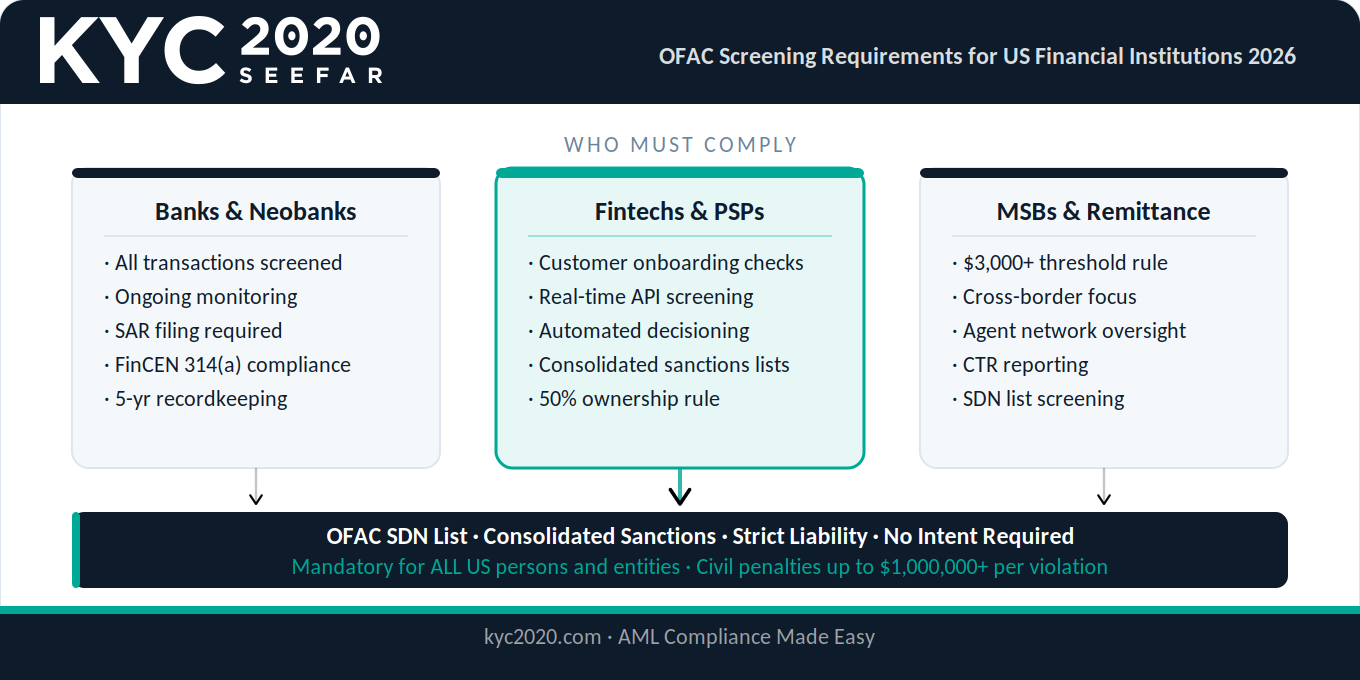
    In today’s complex global marketplace, businesses face increasing scrutiny regarding their operations, especially when it comes to compliance with international sanctions. The Sanctions Compliance & Risk Advisory sector has emerged as a critical area of concern for organizations that want to avoid legal pitfalls and mitigate risks associated with international trade. This article delves into the core principles of sanctions compliance, the risks involved in non-compliance, and effective strategies for implementation.

    What is Sanctions Compliance?

    Sanctions compliance refers to the adherence to laws and regulations imposed by governing bodies, which restrict or prohibit certain activities with specific countries, entities, or individuals. These sanctions can be economic, trade, or travel restrictions enacted due to geopolitical issues, human rights violations, or national security concerns. Compliance ensures that businesses do not engage in activities that could result in significant penalties, loss of reputation, or other legal repercussions.

    Types of Sanctions

    Sanctions can be broadly classified into several categories:

    • Economic Sanctions: These typically include trade restrictions, asset freezes, and prohibitions on financial transactions.
    • Export Controls: Regulations that restrict the transfer of goods, services, or technology to certain countries or entities.
    • Travel Bans: Restrictions on individuals’ physical movement, particularly those identified as threats to national security.
    • Sectoral Sanctions: Target specific sectors of a country’s economy, such as banking or energy, imposing limitations on transactions.

    The Importance of Sanctions Compliance

    Non-compliance with sanctions can lead to severe consequences for businesses, including:

    • Substantial financial penalties and fines imposed by regulatory authorities.
    • Criminal charges against executives and board members.
    • Increased scrutiny from regulators and law enforcement agencies.
    • Damage to corporate reputation and loss of customer trust.

    Therefore, it is crucial for organizations to understand the implications of sanctions and establish effective compliance programs to navigate these challenges.

    Risk Assessment in Sanctions Compliance

    Conducting a thorough risk assessment is essential for identifying exposure to sanctions-related risks. This assessment typically involves:

    1. Identifying Business Activities: Analyze all business operations, including partnerships, supply chains, and client relationships.
    2. Evaluating Jurisdictions: Assess the risks associated with doing business in high-risk countries or regions subject to sanctions.
    3. Reviewing Transactions: Scrutinize past and current transactions for compliance with applicable sanctions laws.
    4. Monitoring Changes: Stay abreast of regulatory changes and updates to sanctions lists.

    Implementing a Sanctions Compliance Program

    A strong sanctions compliance program is key to mitigating risks and maintaining adherence to legal obligations. Here are several essential components to implement:

    1. Establish Clear Policies

    Organizations should develop comprehensive policies outlining their commitment to sanctions compliance. These policies should be accessible to all employees and integrated into the company’s ethos.

    2. Employee Training

    Regular training sessions must be conducted to raise awareness among employees about sanctions laws and internal policies. This training helps ensure that employees can identify potential risks and understand reporting mechanisms.

    3. Due Diligence Procedures

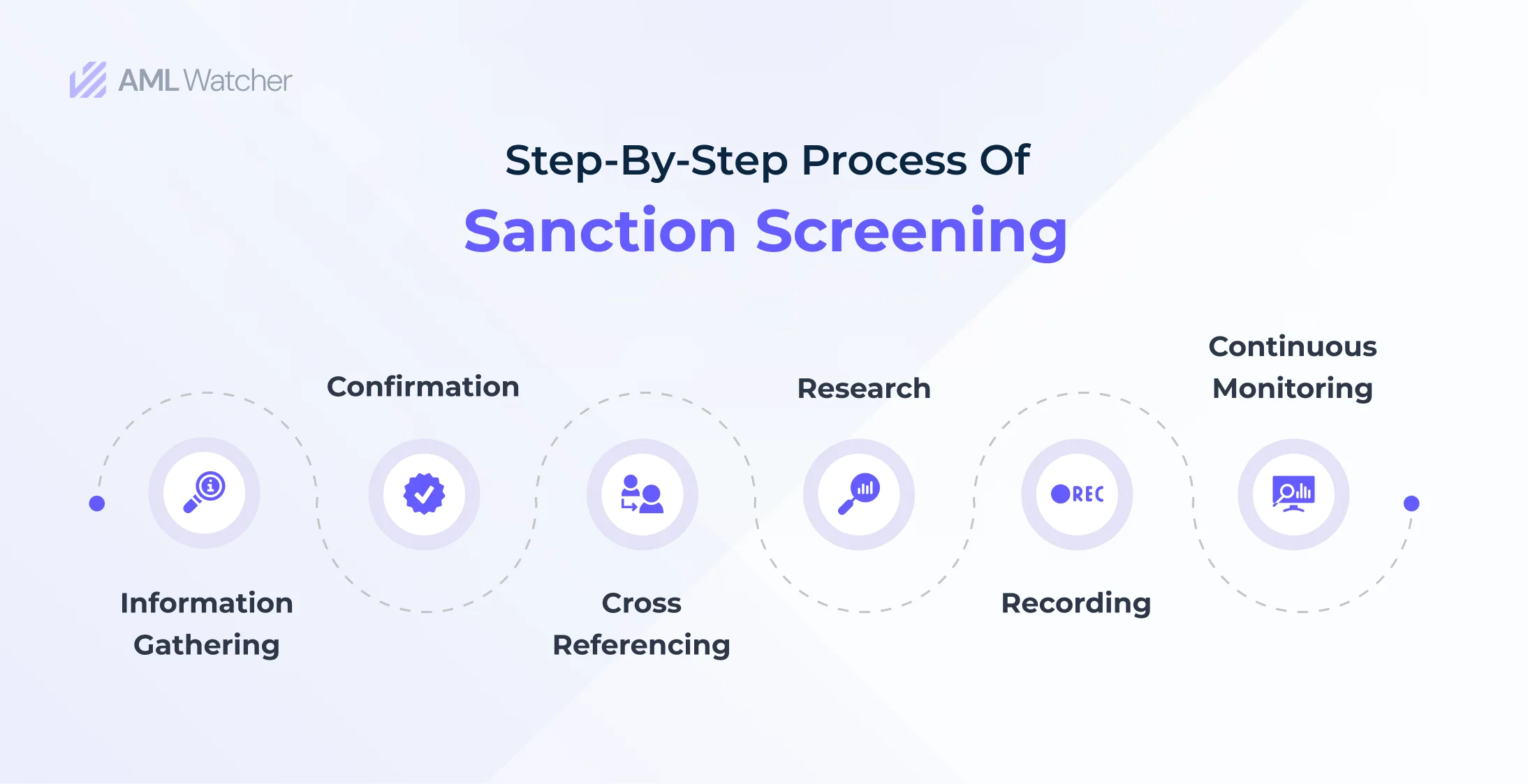
    Implementing robust due diligence processes is critical. This includes screening customers, suppliers, and other third parties against sanctions lists to ensure compliance before entering into any agreements or transactions.

    4. Continuous Monitoring

    Organizations must continuously monitor transactions and operations for compliance. This requires establishing automated systems for ongoing monitoring of sanctions lists, as well as conducting regular audits of business practices.

    5. Reporting Mechanisms

    It is essential to create a clear framework for reporting risks and potential compliance issues. Employees should feel empowered to report suspicious activities without fear of reprisal.

    Challenges in Sanctions Compliance

    Despite best efforts, organizations can face various challenges in sanctions compliance, including:

    • Rapidly Changing Regulations: Sanctions laws can change frequently, requiring firms to be agile and adaptable in their compliance efforts.
    • Complexities of Global Trade: Multinational organizations must navigate various jurisdictions and legal frameworks, which can be burdensome and confusing.
    • Resource Constraints: Smaller companies may lack the necessary resources or expertise to effectively manage compliance programs.

    The Role of Technology in Sanctions Compliance

    Advancements in technology have revolutionized the way companies approach sanctions compliance. Technological tools can enhance efficiency and accuracy in compliance processes, including:

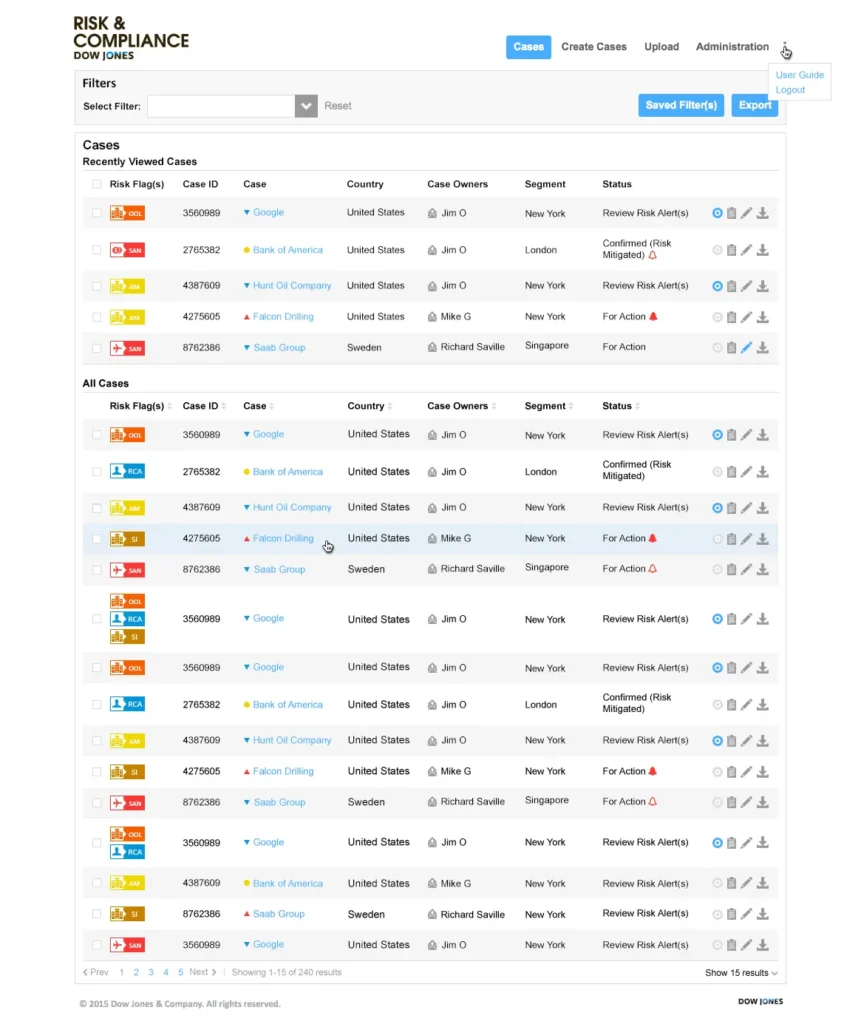
    • Automated Screening: Software solutions can automate the process of screening transactions against sanctions lists, reducing human error.
    • Data Analytics: Analytics tools can help identify patterns in transactions that may indicate potential compliance risks.
    • Reporting Tools: Advanced reporting software can consolidate compliance data, making it easier to generate reports for regulators or internal audits.

    Conclusion

    Sanctions compliance is an essential aspect of today’s global business environment. By understanding the complexities of sanctions, implementing robust compliance programs, and embracing technology, organizations can significantly mitigate risks and avoid the costly repercussions of non-compliance. As the landscape of international trade continues to evolve, staying vigilant and proactive in sanctions compliance will be crucial for long-term business success.

  • Vanuatu Pass Preis Alles, was Sie wissen müssen 948353140

    Wer sich über den Vanuatu Pass Preis informiert, tritt in die faszinierende Welt des Inselstaates Vanuatu ein. Vanuatu, ein kleiner Archipel im Südpazifik, hat in den letzten Jahren an Popularität gewonnen, insbesondere wegen seiner attraktiven Vorzüge für Investoren und Personen, die nach einer neuen Staatsbürgerschaft suchen. In diesem Artikel werden wir die verschiedenen Aspekte des Vanuatu-Passes, einschließlich der Preise, Vorteile und des Antragsprozesses, eingehend untersuchen.

    1. Einführung in den Vanuatu Pass

    Der Vanuatu Pass ist das Ergebnis eines Programms zur Erlangung der Staatsbürgerschaft durch Investitionen. Das Programm ermöglicht es ausländischen Investoren, die Staatsbürgerschaft von Vanuatu zu erwerben, indem sie eine bedeutende Investition in das Land tätigen. Vanuatu bietet eine der schnellsten Routen zur doppelten Staatsbürgerschaft und eine minimale Aufenthaltsanforderung, was es zu einer attraktiven Option für viele macht.

    2. Vorteile des Vanuatu Passes

    Der Vanuatu Pass bietet eine Vielzahl von Vorteilen, die ihn für Investoren und Reisende äußerst attraktiv machen:

    • Reisen ohne Visum: Staatsbürger von Vanuatu können ohne Visum in über 130 Länder reisen, darunter Europa und das Vereinigte Königreich.
    • Steuervorteile: Das Land erhebt keine Einkommenssteuer, Vermögensteuer oder Erbschaftsteuer auf die meisten Erträge.
    • Politische Stabilität: Vanuatu gilt als politisch stabiles Land, was für Investoren attraktiv ist.
    • Lebensqualität: Der Lebensstil in Vanuatu ist entspannt, umgeben von natürlicher Schönheit in Form von Stränden, Wäldern und einer reichen Kultur.

    3. Kosten des Vanuatu Passes

    Die Kosten für den Vanuatu Pass variieren je nach gewähltem Investitionsmodell. Im Allgemeinen können die Preise für den Vanuatu Pass folgende Komponenten umfassen:

    • Einmalige Gebühren: Diese Zahlungen sind erforderlich, um den Antrag zu bearbeiten und beinhalten in der Regel Verwaltungsgebühren.
    • Investitionsbetrag: Die Mindestinvestition für den Pass liegt typischerweise bei etwa 130.000 USD für eine Einzelperson. Familie und Höchstzahl der Anträge können den Preis erhöhen.
    • Zusätzliche Gebühren: Dazu gehören Kosten für das Vorbereiten von Dokumenten, die Inanspruchnahme von Dienstleistungen durch Agenturen und gegebenenfalls Reisekosten.

    4. Antragsprozess für den Vanuatu Pass

    Der Prozess zur Beantragung eines Vanuatu Passes ist relativ unkompliziert, obwohl er einige Schritte umfasst. Hier sind die grundlegenden Schritte:

    1. Vorbereitung der Dokumente: Hierzu zählen Reisepasskopien, Geburtsurkunden, Nachweise über Vermögen und eine gute Charakterbescheinigung.
    2. Wahl des Investitionsmodells: Abhängig von den individuellen Zielen kann man zwischen verschiedenen Modellen wählen – sei es durch eine Direktinvestition, Immobilien oder Unternehmensinvestitionen.
    3. Einreichung des Antrags: Der Antrag muss bei den zuständigen Behörden eingereicht werden, was sowohl elektronische als auch physische Einreichungen umfasst.
    4. Bezahlung der Gebühren: Die Zahlung der erforderlichen Gebühren erfolgt in der Regel beim Einreichen des Antrags.
    5. Erhalt des Passes: Nach Genehmigung des Antrags wird der Vanuatu Pass ausgestellt, was meist einige Wochen dauert.

    5. Berühmte Erfahrungen von Vanuatu Pass-Inhabern

    Es gibt zahlreiche Geschichten von Menschen, die den Vanuatu Pass als ein Sprungbrett für neue Chancen und ein besseres Leben genutzt haben. Viele berichten von der Freiheit, die mit der Möglichkeit verbunden ist, ohne Visum in viele Länder zu reisen und gleichzeitig in einem der schönsten Länder der Welt zu leben. Der kulturelle Reichtum und die Gastfreundschaft der Einheimischen machen Vanuatu zu einem einzigartigen Ort zum Leben und Arbeiten.

    6. Fazit

    Der Vanuatu Pass Preis wird von vielen als lohnende Investition betrachtet. Die Vorteile, die dieser Pass mit sich bringt, einschließlich der Möglichkeit, Steuerverpflichtungen zu minimieren und die Reisefreiheit zu maximieren, sind für viele ansprechend. Der Antragsprozess ist zwar mit einigen Anforderungen verbunden, doch die Belohnung — die Erhaltung einer Staatsbürgerschaft in einem tropischen Paradies — ist für viele die Mühe wert.

    Insgesamt ist der Vanuatu Pass nicht nur eine Möglichkeit, finanzielle Vorteile zu nutzen, sondern auch eine Einladung, Teil einer einzigartigen Kultur und eines lebensbejahenden Lebensstils zu werden.

  • Unlocking Asia The Benefits of Vanuatu Passport Visa-Free Travel

    Vanuatu Passport: Your Gateway to Visa-Free Travel in Asia

    The Vanuatu passport is an increasingly sought-after document providing holders with the possibility of Vanuatu Passport Visa-Free Asia travel. With its stunning landscapes, rich culture, and growing economy, Vanuatu is not just a beautiful destination but a key player in the realm of global mobility. The passport allows convenient travel to numerous countries in Asia without the unnecessary burdens of visa applications and long waits. In a world where travel restrictions can be a hassle, the Vanuatu passport opens many doors, especially in Asia.

    What is Vanuatu?

    Vanuatu is a picturesque archipelago located in the South Pacific Ocean. Comprising approximately 83 islands, it is known for its vibrant culture, warm hospitality, and breathtaking natural beauty. The country’s economy is primarily driven by agriculture, tourism, and offshore financial services. In recent years, Vanuatu has gained attention for its citizenship by investment program, which offers foreign investors the chance to obtain citizenship and a passport in exchange for a financial contribution to the country. This program has made it easier for individuals worldwide to secure a Vanuatu passport and enjoy its many benefits.

    Visa-Free Access to Asia: An Overview

    Holders of the Vanuatu passport enjoy numerous visa-free travel options across Asia. Countries such as Hong Kong, Singapore, and Malaysia welcome Vanuatu passport holders with open arms, allowing them to enter without a visa for varying periods. This means that business travelers, tourists, and expatriates can enjoy the beauty and diversity of Asia without the cumbersome process of applying for visas each time they wish to visit.

    Major Destinations in Asia Offering Visa-Free Access

    With a Vanuatu passport, you can explore several countries in Asia, each offering unique experiences:

    • Hong Kong: Enjoy a vibrant city with a blend of Eastern and Western cultures. With up to 14 days visa-free access, you can discover the stunning skyline or indulge in the culinary delights of street food.
    • Malaysia: With visa-free entry for up to 90 days, you can immerse yourself in the rich heritage, from the skyscrapers of Kuala Lumpur to the serene beaches of Langkawi.
    • Singapore: Experience one of the most modern cities in the world with visa-free access for 30 days, offering a mix of cultures, cuisines, and attractions.
    • Philippines: Discover beautiful beaches and islands with visa-free travel for 30 days. The Philippines is perfect for nature lovers and adventure seekers alike.
    • Thailand: Vanuatu passport holders can enjoy visa-free travel for up to 30 days, experiencing the land of smiles, vibrant nightlife, and rich history.

    Benefits of the Vanuatu Passport

    The Vanuatu passport provides more than just visa-free access to Asia; it comes with a host of other benefits, making it an attractive option for many:

    • Global Mobility: A Vanuatu passport opens up travel opportunities not just in Asia but around the world, providing access to over 130 countries without visa requirements.
    • Dual Citizenship: Vanuatu allows dual citizenship, meaning you can retain your original citizenship while enjoying the freedoms that come with a Vanuatu passport.
    • Tax Benefits: Vanuatu does not impose income tax on its citizens, offering financial advantages to individuals who choose to establish their residence there.
    • Security and Stability: Vanuatu is known for its political stability and safety, making it an appealing choice for those seeking a reliable citizenship option.
    • Beautiful Lifestyle: With its stunning landscapes, pristine beaches, and laid-back lifestyle, Vanuatu offers an idyllic setting for living or visiting.

    How to Obtain a Vanuatu Passport

    Acquiring a Vanuatu passport is a straightforward process, particularly through the citizenship by investment program. Here’s a brief overview of the steps involved:

    1. Choose a Licensed Agent: It’s essential to work with a licensed agent who can guide you through the process and ensure everything is in order.
    2. Make a Financial Contribution: The investment options vary, typically requiring a contribution to a government-approved development fund. This amount can change, so it’s essential to stay updated on current requirements.
    3. Complete the Application: Gather the necessary documents, including identification, background checks, and any required certifications.
    4. Await Approval: After submission, your application will be processed. Once approved, you will receive your Vanuatu passport, which opens up numerous opportunities.

    Conclusion

    In conclusion, the Vanuatu passport represents a powerful asset for those looking to travel freely across Asia and beyond. With extensive visa-free access and a wealth of added benefits, securing a Vanuatu passport could be one of the best decisions you make for your future travels. Whether you seek the bustling streets of Hong Kong or the tranquil islands of the Philippines, a Vanuatu passport serves as your gateway to exploring Asia without limitations. As global mobility becomes increasingly important in our interconnected world, Vanuatu stands out as a viable option for those looking to enhance their travel experiences.

  • Unlocking Opportunities The Vanuatu Golden Passport 949740265

    Unlocking Opportunities: The Vanuatu Golden Passport

    The Vanuatu golden passport Vanuatu Golden Passport program offers individuals and families a unique opportunity to obtain citizenship in a stunning tropical paradise. This initiative not only provides a passport that grants visa-free access to numerous countries but also opens the door to various investment opportunities. In this article, we will explore what the Vanuatu Golden Passport entails, its benefits, application process, and why it has become a preferred choice for many seeking a second passport.

    What is the Vanuatu Golden Passport?

    The Vanuatu Golden Passport program, officially known as the Vanuatu Citizenship by Investment Program, was established in 2017. It gives foreign investors the chance to acquire citizenship in Vanuatu, an archipelago nation located in the South Pacific Ocean. Vanuatu is renowned for its beautiful landscapes, pristine beaches, and friendly locals, making it not only a desirable vacation destination but also an ideal location for international business and expatriate living.

    Key Benefits of the Vanuatu Golden Passport

    Obtaining a Vanuatu Golden Passport comes with numerous benefits that make it an attractive option for individuals and families looking for mobility and investment opportunities:

    • Visa-Free Travel: Holders of a Vanuatu passport enjoy visa-free or visa-on-arrival access to over 130 countries, including the Schengen Area, the United Kingdom, and various other nations.
    • Quick Processing Time: The application process for a Vanuatu Golden Passport is notably fast, often taking as little as 30 to 60 days for approval.
    • No Residency Requirement: Unlike many other citizenship programs, Vanuatu does not require applicants to live in the country before or after gaining citizenship.
    • Business Opportunities: Vanuatu offers an attractive business environment with low corporate tax rates, making it appealing for entrepreneurs and investors looking to expand their operations.
    • Asset Protection: Holding a Vanuatu passport can provide a degree of asset protection, offering a secure and stable environment for personal and business assets.
    • Beautiful Lifestyle: Vanuatu is blessed with a warm climate, friendly atmosphere, and stunning natural beauty, providing an excellent quality of life for its citizens.

    Understanding the Application Process

    The process of obtaining a Vanuatu Golden Passport is straightforward but requires specific steps and conditions to be met. Here’s a breakdown of the application process:

    1. Select an Approved Agent: Applicants must engage the services of a licensed agent who will facilitate the process and ensure all requirements are met.
    2. Due Diligence Check: Following the submission of the application and required documents, the Vanuatu government conducts a thorough due diligence check on the applicant to ensure compliance with legal and ethical standards.
    3. Investment Contribution: A non-refundable contribution to the Vanuatu National Development Fund is required. The amounts can vary depending on the size of the family, but generally start at around $130,000 for a single applicant.
    4. Approval and Citizenship Certificate: Once approved, the applicant receives a certificate of citizenship, which enables them to apply for a passport.

    The Financial Commitment

    Investing in a Vanuatu Golden Passport entails financial commitments that vary based on individual circumstances. The primary investment is made to the Vanuatu National Development Fund, but applicants may also opt for real estate investments, which typically start at approximately $200,000. While the initial costs may seem high, the long-term benefits often outweigh the expenses, especially when considering the advantages of visa-free travel and business opportunities.

    Who Should Consider the Vanuatu Golden Passport?

    The Vanuatu Golden Passport program is ideally suited for a variety of individuals and families:

    • Individuals Seeking Greater Mobility: Business professionals and frequent travelers looking to access new markets and travel seamlessly.
    • Families: Families wishing to provide their children with the advantages of a Vanuatu education and secure future.
    • Investors: Entrepreneurs looking to diversify their assets and enjoy favorable business regulations.
    • Retirees: Those seeking a peaceful and beautiful place to retire, away from the daily hustle of urban living.

    Legal and Tax Implications

    Before pursuing the Vanuatu Golden Passport, it is crucial to understand the legal and tax implications of obtaining a second citizenship. Vanuatu does not impose taxes on worldwide income, which can be advantageous for those seeking financial efficiency. However, applicants should consult with legal and financial advisors to assess their personal situations, especially if they are residents of countries with stringent tax obligations on global income.

    The Economic Environment in Vanuatu

    Vanuatu’s economy is primarily driven by tourism, agriculture, and services. The government strives to maintain a liberal investment climate, which is welcoming to foreign investors. The real estate market, in pa

    rticular, has shown considerable promise, with beautiful coastal properties available for purchase. This vibrant economic landscape makes Vanuatu an attractive destination for both living and investing.

    Conclusion: A Strategic Move

    The Vanuatu Golden Passport offers a compelling proposition for those looking to diversify their global presence, enhance their freedom of movement, and invest in a picturesque location. The program’s straightforward application process, coupled with the numerous benefits of citizenship, has made it an increasingly popular choice. For those considering a second passport, Vanuatu represents a strategic and rewarding investment in both mobility and lifestyle.

  • Understanding OFAC Lawyers Your Legal Guide to Compliance

    If you find yourself in need of expert legal advice regarding U.S. sanctions and compliance issues related to the Office of Foreign Assets Control (OFAC), you may want to consider consulting with experienced OFAC lawyers https://ofac-lawyers.com. These professionals specialize in navigating the intricate world of sanctions laws, ensuring that individuals and businesses can operate within legal boundaries while minimizing risk.

    What is OFAC?

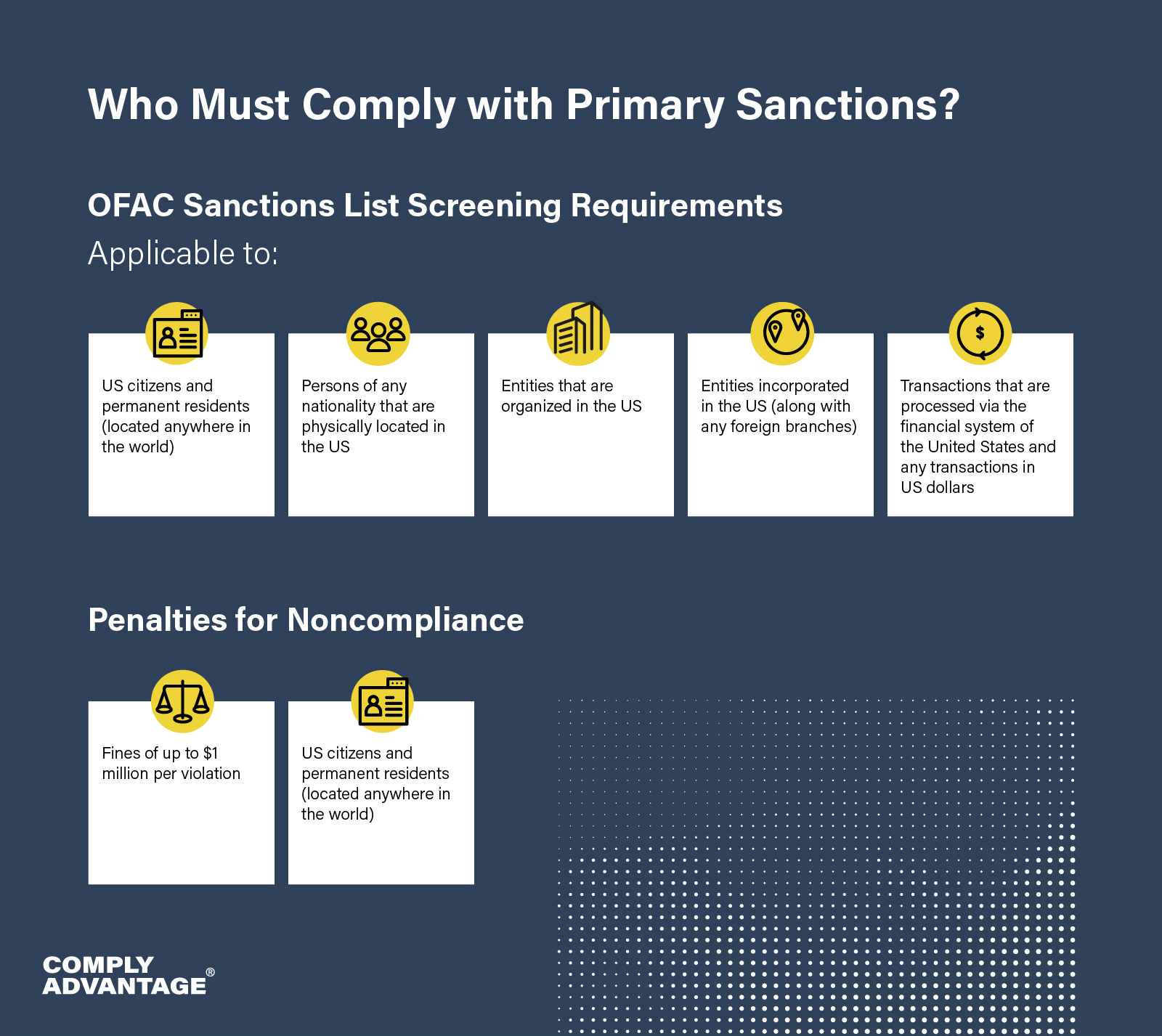
    The Office of Foreign Assets Control (OFAC) is an office of the U.S. Department of the Treasury, which administers and enforces economic and trade sanctions against targeted foreign countries and regimes. These sanctions are aimed at promoting U.S. foreign policy and national security goals. OFAC regulations apply to all U.S. individuals and entities, as well as certain foreign entities doing business with the U.S. market.

    Why are OFAC Lawyers Important?

    Legal counsel specializing in OFAC compliance is crucial for anyone conducting business that may intersect with sanctioned individuals, entities, or countries. Non-compliance can lead to severe penalties, including hefty fines and restrictions on business operations. OFAC lawyers help clients understand the complexities of sanctions laws, facilitate compliance, and represent them in cases of alleged violations.

    The Role of OFAC Lawyers

    OFAC lawyers serve several vital functions:

    • Consultation: They provide legal advice to help businesses understand their obligations under OFAC regulations.
    • Risk Assessment: Lawyers assess business operations for potential exposures to OFAC sanctions, advising on risk mitigation strategies.
    • Compliance Programs: They assist in developing or enhancing compliance programs that ensure adherence to sanctions regulations.
    • Representation: In cases of enforcement actions or investigations, OFAC lawyers represent clients in discussions with regulatory authorities.
    • Training: They often provide educational resources and training for employees to recognize and avoid compliance issues.

    Who Needs an OFAC Lawyer?

    Various entities may require the expertise of OFAC lawyers. These can include:

    • Businesses Engaged in International Trade: Companies exporting goods or services to countries that are under sanctions face significant compliance risks.
    • Financial Institutions: Banks and other financial institutions must ensure that their transactions do not involve sanctioned parties.
    • Individuals: People traveling or moving abroad may need legal advice related to their exposure to OFAC regulations.
    • Nonprofits: Organ

      izations providing humanitarian aid must navigate complex sanctions laws to comply and operate legally.

    Challenges in OFAC Compliance

    Understanding and complying with OFAC regulations poses multiple challenges:

    • Changing Regulations: Sanctions can evolve quickly, creating a moving target for compliance.
    • Diverse Transactions: Different types of transactions (like financial, shipping, or trade) may be subject to different rules under OFAC.
    • Global Operations: Companies operating internationally must understand the intersection of U.S. laws with local laws in various jurisdictions.

    Finding the Right OFAC Lawyer

    When searching for an OFAC lawyer, consider the following:

    • Experience: Find lawyers with a proven track record in handling OFAC-related cases.
    • Industry Expertise: Consider lawyers who specialize in your specific industry.
    • Communication: Choose a lawyer who communicates effectively and transparently about their strategies.
    • Reputation: Research client testimonials and reviews to gauge the lawyer’s credibility.

    Conclusion

    The complexities of OFAC regulations cannot be understated. Those engaged in international transactions must remain vigilant to avoid inadvertent violations that could lead to significant repercussions. Engaging with a knowledgeable OFAC lawyer can provide essential guidance and peace of mind, ensuring that you navigate the complexities of compliance effectively. In a world where sanctions and regulations are ever-evolving, having a legal expert by your side is not just a precaution; it is a necessity.

  • The Vital Role of Human Rights Lawyers in The Pursuit of Justice

    In a world where disparities and injustices persist, the importance of a human rights lawyer cannot be overstated. These legal professionals dedicate their careers to protecting the rights of individuals, advocating for social justice, and ensuring that the principles of equality and human dignity are upheld. This article delves into the multifaceted responsibilities and challenges faced by human rights lawyers, the significant impact of their work, and the essential role they play in shaping a more just society.

    The Foundation of Human Rights Law

    Human rights law is a branch of law that focuses on the protection and promotion of fundamental rights and freedoms. It encompasses a broad array of rights, including civil, political, economic, social, and cultural rights. These rights are recognized internationally through various treaties, conventions, and declarations, such as the Universal Declaration of Human Rights (UDHR) adopted by the United Nations in 1948. Human rights lawyers are tasked with interpreting and applying these laws in both domestic and international settings, often in the face of considerable opposition.

    The Role of Human Rights Lawyers

    The role of a human rights lawyer is diverse and can vary greatly depending on the context in which they work. Common responsibilities include:

    • Legal Representation: Human rights lawyers often represent clients in cases involving alleged violations of human rights, such as torture, discrimination, and unlawful detention. They may work with individuals, communities, or groups fighting against systemic injustices.
    • Advocacy: Beyond the courtroom, these lawyers engage in advocacy efforts to raise awareness about human rights issues. They collaborate with non-profit organizations, governmental bodies, and grassroots movements to promote policy changes and enhance legal protections for vulnerable populations.
    • Research and Documentation: Human rights lawyers often conduct extensive research to document abuses and build case files. This documentation can serve as vital evidence in legal proceedings or be used in reports that influence public opinion and policy.
    • Education and Training: Part of their role involves educating individuals and communities about their rights. They may hold workshops, seminars, or training sessions aimed at empowering people to understand and assert their rights effectively.

    The Challenges Faced by Human Rights Lawyers

    Working in the field of human rights law is fraught with challenges. Many human rights lawyers operate in environments where the legal system is not conducive to justice, and they may face risks such as harassment, intimidation, or even violence. In some cases, they may be jeopardizing their safety or well-being to advocate for those who have been wronged.

    Moreover, inadequate resources can hinder their ability to provide effective representation. Many human rights cases lack sufficient funding, and lawyers often work pro bono or receive limited compensation. This financial barrier can limit the number of individuals they can assist and the breadth of their advocacy work.

    Impact on Society

    The influence of human rights lawyers extends far beyond individual cases. Their work plays a crucial role in promoting accountability and transparency within governments and institutions. For example, legal victories achieved by human rights lawyers can lead to landmark rulings that set precedents for future cases, altering the legal landscape and ushering in reform.

    Additionally, human rights lawyers contribute to creating a culture of respect for rights within their communities. Through their advocacy efforts and public education initiatives, they help instill a greater understanding of human rights, fostering a societal recognition of dignity and justice.

    Case Studies of Human Rights Lawyers in Action

    International Defense

    Consider the work of international human rights lawyers who defend individuals in authoritarian regimes. These lawyers often risk their own freedom to represent dissidents and activists who oppose unjust laws and practices. One notable case involved a lawyer who defended protestors arrested during an uprising against oppressive government policies. Despite facing personal threats and imprisonment, this lawyer brought international attention to the injustices faced by those speaking out for their rights, ultimately leading to reforms in legal protections.

    Domestic Advocacy

    On a national level, human rights lawyers often champion marginalized groups, such as refugees, women, and minorities, whose rights are frequently compromised. In one notable case, lawyers represented a group of refugee children subjected to discrimination and denial of basic services. Through persistent legal action and advocacy, they were able to secure access to education and healthcare, dramatically improving the children’s quality of life.

    The Future of Human Rights Law

    As the world grapples with evolving challenges such as climate change, technological advancements, and increased migration, the role of human rights lawyers will continue to be vital. New legal frameworks are emerging to address contemporary issues, and human rights lawyers must adapt to these changes while remaining steadfast in their commitment to justice and equality.

    Moreover, the increasing proliferation of digital spaces presents both challenges and opportunities. Human rights lawyers will need to address issues related to privacy, freedom of expression, and the right to information in an ever-connected world where violations can occur on a global scale.

    Conclusion

    Human rights lawyers are the guardians of justice, standing firm against violations and advocating for the oppressed. Their relentless pursuit of equality and dignity embodies the essence of human rights. As they navigate the complexities of the legal landscape, their impact is profound, influencing both individual lives and broader societal change. Recognizing and supporting their work is essential, as it paves the way for a world where rights are upheld and justice prevails. In a time when human rights are under threat, the dedication and courage of these legal advocates illuminate the path toward a better future for all.

  • Nauru Passport Unlocking Access to Hong Kong

    The Nauru Passport Hong Kong Access is an essential consideration for travelers seeking to explore the vibrant culture and stunning landscapes of Hong Kong. With its unique geopolitical status, Nauru offers its citizens certain advantages when it comes to traveling to various countries, including Hong Kong. In this article, we will delve deep into what a Nauru Passport means for access to Hong Kong, the visa policies in place, and the considerable benefits that come with it.

    Overview of Nauru Passport

    The Nauru Passport is issued by the Republic of Nauru, one of the smallest island nations in the world. Despite its size, Nauru has established itself as a significant player in global geopolitics, particularly through diplomatic relations. The Nauru Passport allows its holders to travel to various countries without the need for a visa, or with visa on arrival options available to them.

    Visa Requirements for Hong Kong

    When it comes to traveling to Hong Kong, visa requirements differ based on the passport being held. For Nauru passport holders, the process is quite favorable. Citizens of Nauru do not require a visa for short visits to Hong Kong, which includes tourism, business, or family visits up to 14 days. This visa exemption is a significant advantage, allowing for spontaneous trips and easier planning for vacations or business activities in the bustling metropolis.

    Cultural and Economic Ties between Nauru and Hong Kong

    There exists a historical relationship between Nauru and Hong Kong, primarily driven by trade and cultural exchanges. Although Nauru and Hong Kong are vastly different in size and scale, the opportunities for collaboration in various sectors are continually expanding. Nauru exports some of its natural resources to various countries, and Hong Kong serves as an essential hub for these transactions.

    Furthermore, Nauru often benefits from foreign investments that flow through Hong Kong, and this has resulted in increased interest in tourism from Hong Kong to Nauru as well. This intrinsic connection plays a vital role in cementing the relationship between the two entities.

    Travel Benefits of Holding a Nauru Passport

    Aside from the ease of travel to Hong Kong, holders of the Nauru Passport enjoy several benefits that enhance their travel experiences:

    • Visa-free Travel: Beyond Hong Kong, Nauru passport holders have access to a plethora of other countries without needing a visa, allowing for a more flexible travel schedule.
    • Visa on Arrival: In many regions, including some countries in Southeast Asia, Nauru citizens can obtain visas upon arrival, simplifying the travel process.
    • Access to Diplomatic Support: Similar to other passports, Nauru citizens are entitled to consular support, should they find themselves in distress while abroad.
    • Affordability: Traveling with a Nauru Passport is often less expensive due to lower visa fees, allowing travelers to allocate funds more effectively.

    Preparing for Your Trip to Hong Kong

    If you’re a Nauru Passport holder looking to visit Hong Kong, there are some essential steps to consider for a smooth journey:

    1. Check Travel Restrictions: Before booking your trip, ensure that you review any current travel advisories or restrictions related to your destination.
    2. Plan Your Itinerary: Hong Kong offers a wealth of experiences, from its iconic skyline and shopping districts to its rich history and culinary delights. Planning ahead allows for an enriching experience.
    3. Documentation: Even though a visa is not required, ensure that your passport is valid for at least six months beyond your planned stay in Hong Kong. It’s also wise to have proof of accommodation and return tickets.
    4. Health and Safety: Consider potential health routines, including vaccinations or health insurance. Stay informed about regular health guidelines in light of global situations, especially post-pandemic.

    Conclusion

    The Nauru Passport opens up a world of travel opportunities for its holders, particularly when it comes to accessing destinations like Hong Kong. Enjoying visa-free travel for short stays, as well as the many cultural and economic benefits resulting from the relationship between Nauru and Hong Kong, makes this passport a valuable asset for citizens interested in global travel. Whether you want to explore the vibrant streets of Hong Kong or engage in business ventures, a Nauru Passport serves as a gateway to unforgettable experiences.

  • Understanding Secondary Sanctions Implications and Strategies 949018468

    Understanding Secondary Sanctions: Implications and Strategies

    In the complex world of international relations and finance, Secondary Sanctions have emerged as a pivotal tool used by countries to exert economic pressure. Understanding secondary sanctions is essential for businesses operating on a global scale, as these measures can impact not only direct participants but also third parties engaged in commerce with sanctioned entities.

    What Are Secondary Sanctions?

    Secondary sanctions refer to punitive measures imposed by a country on foreign entities that engage in business with sanctioned individuals or countries. Unlike primary sanctions, which directly target the sanctioned state or companies within it, secondary sanctions extend the reach of the imposing nation. This means that businesses in countries not party to the original sanctions can also face repercussions if they do business with the targets of those sanctions.

    The Origins and Purpose of Secondary Sanctions

    The use of secondary sanctions has grown significantly in the last couple of decades. Initially, these measures were introduced primarily by the United States as part of its foreign policy, aimed at deterring hostile actions by certain governments. The rationale behind secondary sanctions is to isolate the targeted country further and compel compliance with international norms and agreements.

    For instance, the United States has enacted secondary sanctions against countries such as Iran and North Korea to discourage foreign investment in their economies and limit the flow of funds supporting such regimes. By threatening to penalize third-party entities doing business with those countries, the U.S. aims to curtail their economic activities and bring about policy changes.

    Key Examples of Secondary Sanctions in Action

    A notable example of secondary sanctions in action is the U.S. sanctions against Iran, particularly following the U.S. withdrawal from the Joint Comprehensive Plan of Action (JCPOA) in 2018. Under these sanctions, companies around the world could face restrictions if they continued to engage in trade with Iranian entities. This led many businesses to reevaluate their relationships and, in many cases, discontinue operations involving Iranian partners.

    Similarly, the U.S. has implemented secondary sanctions targeting individuals and entities in Russia due to its actions in Ukraine and election interference. These sanctions have repercussions for foreign companies that might consider investing in or trading with designated Russian entities, thereby enhancing the U.S.’s leverage in international negotiations.

    The Implications of Secondary Sanctions on Global Business

    The implications of secondary sanctions are profound and multifaceted. For businesses, the primary challenge lies in maintaining compliance while continuing to operate in a global marketplace. Failure to adhere to these sanctions can lead to significant financial penalties and reputational damage.

    Moreover, secondary sanctions often lead to increased transparency requirements within international trade. Companies must conduct thorough due diligence to ensure that their supply chains do not inadvertently involve sanctioned parties. This can lead to elevated operational costs and necessitate the employment of sophisticated compliance mechanisms.

    Strategies for Navigating Secondary Sanctions

    To minimize the impact of secondary sanctions, businesses should adopt proactive compliance strategies. Here are some key steps to consider:

    • Conduct Comprehensive Risk Assessments: Analyze your business operations and identify potential exposure to secondary sanctions. Assess which markets or partners could pose risks and develop a plan to mitigate them.
    • Implement Robust Compliance Programs: Establish a compliance framework that includes regular training for employees, as well as clear policies regarding dealings with sanctioned entities.
    • Utilize Technology: Employ technology solutions that can help track changes in sanctions lists and provide real-time monitoring of transactions to ensure compliance.
    • Consult Expert Advisors: Engaging with legal experts specialized in sanctions law can provide valuable insights and help navigate complex compliance landscapes.

    The Future of Secondary Sanctions

    As geopolitical dynamics continue to evolve, the reliance on secondary sanctions is likely to persist. Governments may increasingly turn to these measures as a method of exerting influence without resorting to military action. Therefore, businesses operating internationally must stay informed about changes in sanctions regulations and adapt their strategies accordingly.

    Furthermore, the global response to secondary sanctions may encourage more multilateral approaches to sanctions enforcement. As countries increasingly recognize the intricacies of the global supply chain, there may be a shift towards collaborative efforts in managing sanctions compliance to mitigate unintended consequences on legitimate trade.

    Conclusion

    In conclusion, secondary sanctions represent a powerful instrument in the arsenal of international diplomacy and economic policy. However, they also present significant challenges for global businesses navigating the complex regulatory landscape. By understanding the implications of secondary sanctions and implementing effective compliance strategies, companies can protect themselves from potential risks while continuing to engage in international trade.

  • Sao Tome Citizenship for Families A Pathway to a Brighter Future

    Sao Tome Citizenship for Families: A Pathway to a Brighter Future

    In recent years, the allure of obtaining citizenship by investment has captivated many families across the globe. One of the most appealing options available today is the Sao Tome Citizenship for Families program. This initiative by the government of São Tomé and Príncipe offers families a unique opportunity to gain citizenship while enjoying the benefits of a beautiful tropical island nation. In this article, we will explore the ins and outs of this citizenship program, its advantages, and the steps to obtain it.

    The Island Paradise of São Tomé and Príncipe

    Located just off the western coast of Africa, São Tomé and Príncipe is a small island nation known for its stunning landscapes, rich biodiversity, and vibrant culture. The archipelago appeals to families seeking a peaceful environment, a moderate climate, and a unique lifestyle that combines African and Portuguese influences. Living in such a paradise not only enhances the quality of life but also provides educational opportunities for children in an international setting.

    Benefits of Sao Tome Citizenship for Families

    1. Educational Opportunities: Families who obtain citizenship in São Tomé and Príncipe can access a range of educational options. The nation is home to several reputable schools and universities that provide quality education. Moreover, being part of a multicultural environment allows children to develop broad perspectives and cross-cultural skills.

    2. Access to International Markets: Sao Tome citizenship grants families easier access to various international markets. Citizens have the advantage of trade agreements with multiple countries, facilitating smoother business operations whether one is looking to invest or expand existing businesses.

    3. Residency Options: Sao Tome citizenship allows families to live and work in a peaceful and welcoming environment. With a relatively low cost of living, families can enjoy a comfortable lifestyle while being part of a beautiful, natural setting.

    4. Travel Benefits: As a citizen of São Tomé and Príncipe, families can travel visa-free or with minimal visa requirements to over 30 countries. This includes significant destinations in Europe, Africa, and the Caribbean, making it easier for families to explore the world.

    Investment Requirements for Sao Tome Citizenship

    The government of São Tomé and Príncipe has laid out specific investment parameters that individuals and families must adhere to when applying for citizenship. Generally, applicants can obtain citizenship either through a donation or a real estate investment. Here are the current options:

    1. Donation Option: The most straightforward pathway is making a non-refundable donation to the government. The minimum amount required is usually around $150,000 for a family application, which can be subject to changes based on government policies.

    2. Real Estate Investment: An alternative route involves invest

    ing in government-approved real estate projects. The minimum investment threshold generally starts at about $200,000. This option appeals not only for citizenship but also for potential returns on investment.

    Application Process

    Applying for Sao Tome citizenship is a relatively straightforward process, but it does require careful preparation and documentation. Here’s a step-by-step guide to navigating the application process:

    1. Initial Consultation: Engage with a specialized consultant or legal expert familiar with the Sao Tome citizenship process. They can guide you through the requirements and options available.

    2. Gather Necessary Documentation: Collect all required documents, including valid passports, birth certificates, marriage certificates (if applicable), and proof of the investment funds.

    3. Submit Application: Once all documents are prepared, submit your application alongside the required fees. The review process usually takes several months, during which the government will evaluate your application.

    4. Approval and Payment: Upon approval, applicants must fulfill the financial obligations associated with their chosen investment route. After the payment is made, citizenship certificates will be issued.

    Getting Settled in São Tomé and Príncipe

    Once citizenship is obtained, families can relocate to São Tomé and Príncipe. The process can be exciting yet daunting; therefore, proper planning is essential. Here are some tips for settling down smoothly:

    1. Housing: Research potential neighborhoods that fit your family’s needs. Whether you prefer the hustle of the capital city or a quieter area, you will find diverse options.

    2. Integrating into the Community: Embrace the local culture by learning the language and traditions. Engaging in community activities and events is a fantastic way for families to settle in and make new friends.

    3. Establishing a Business: If you are an entrepreneur, look into the local market for business opportunities. Understanding the economic landscape will be crucial for success.

    Conclusion

    In conclusion, acquiring citizenship in São Tomé and Príncipe offers families a unique blend of lifestyle, educational opportunities, and business prospects. The Sao Tome Citizenship for Families program is designed to accommodate families looking for a new beginning in a stunning tropical paradise. With careful planning and the right guidance, the journey to becoming a citizen can be a rewarding experience that transforms not just individual lives, but entire family legacies.

  • Understanding the Vanuatu Citizenship Application Process 949273875

    Understanding the Vanuatu Citizenship Application Process

    Vanuatu, a stunning archipelago situated in the South Pacific Ocean, is not only known for its beautiful landscapes and rich cultural heritage, but also for its advantageous citizenship program. Many individuals from around the globe seek to acquire Vanuatu citizenship for a variety of reasons, including economic opportunities, travel freedom, and lifestyle enhancement. If you’re interested in exploring the Vanuatu Citizenship Application Process, this guide will provide you with detailed insights into the steps, requirements, and benefits of obtaining citizenship in this tropical paradise.

    Overview of Vanuatu Citizenship

    Vanuatu offers its citizenship through various pathways, primarily the Vanuatu Development Support Program (DSP). This program allows foreign nationals to obtain citizenship by making a financial contribution to the country’s development initiatives. Notably, Vanuatu citizenship is appealing because it allows visa-free travel to over 130 countries, including the United Kingdom, the Schengen Area, and many Asian countries.

    Benefits of Vanuatu Citizenship

    Obtaining Vanuatu citizenship offers several advantages:

    • Visa-Free Travel: Vanuatu citizens can travel without a visa or obtain a visa on arrival in several countries worldwide.
    • Tax Incentives: Vanuatu is known for its favorable tax regime, including no capital gains or inheritance taxes.
    • Global Mobility: Citizenship can enhance your global mobility and provide access to various international business opportunities.
    • Security and Stability: Vanuatu is politically stable, providing a safe environment for its citizens.

    Eligibility Criteria

    To apply for Vanuatu citizenship, applicants must meet specific eligibility criteria, including:

    • Minimum age of 18 years.
    • A clean criminal record.
    • Proof of financial capability to make the required investment.
    • Health screening and a medical certificate.

    The Application Process

    The application process for Vanuatu citizenship typically involves the following steps:

    1. Engage a Licensed Agent: It is mandatory to work with a licensed agent approved by the Vanuatu government to assist with your application.
    2. Initial Consultation: During the consultation, the agent will guide you through the application process and help gather necessary documentation.
    3. Prepare Documentation: Compile all required documents, including identity documents, financial statements, and medical certificates.
    4. Submit Application: Your licensed agent will submit your application to the Vanuatu government, along with the required fees.
    5. Application Review: The government will analyze your application, during which time they may request additional information or documents.
    6. Approval and Investment: Once approved, you must make the requisite financial contribution to the country’s development fund.
    7. Receive Citizenship Certificate: Upon making the investment, you will receive your Vanuatu citizenship certificate, officially confirming your new status.

    Required Documents

    When applying for Vanuatu citizenship, you will need to provide various documents, including:

    • Passport copies of all applicants.
    • Birth certificates.
    • Marriage certificates (if applicable).
    • Police clearance certificate.
    • Bank statements and proof of income.
    • Medical examination records.

    Costs and Fees

    The financial commitment for Vanuatu citizenship can vary significantly depending on several factors. The main costs involved include:

    • Government processing fees.
    • Contribution to the Development Support Program, which starts at around USD 130,000 for a single applicant but can increase based on the number of dependents.
    • Fees charged by the licensed agent who assists you throughout the application process.

    Processing Timeline

    The processing timeline for the Vanuatu citizenship application can vary based on several factors, including the complexity of your application and the efficiency of the agent. However, most applications are processed within 2-3 months from submission.

    Post-Citizenship Rights and Obligations

    Once you have obtained your Vanuatu citizenship, you are entitled to the rights and privileges of being a citizen, including access to education, health care, and the ability to participate in business. However, it’s essential to stay informed about the responsibilities that come with citizenship, such as complying with local laws and regulations.

    Conclusion

    Acquiring Vanuatu citizenship can be a straightforward process, particularly with the guidance of a licensed agent. The benefits it offers, from visa-free travel to favorable tax regimes, make it a worthwhile consideration for those seeking greater mobility and security in today’s global landscape. If you’re considering this opportunity, start your journey today and explore the possibilities that Vanuatu citizenship can afford.

    Final Thoughts

    The process of obtaining Vanuatu citizenship might seem daunting at first, but with the right information and support, it can be a smooth and enriching experience. Embrace the warmth of Vanuatu’s culture, the beauty of its landscapes, and the opportunities that come with being a citizen of this remarkable nation.